Event Speakers
State of Cultural Policy 2026 – Speakers
On this page, you can explore the speakers participating in the State of Cultural Policy event.
You can find the event programme here: Programme – Cupore
Comments on the current state of Finnish cultural policy
Commentators
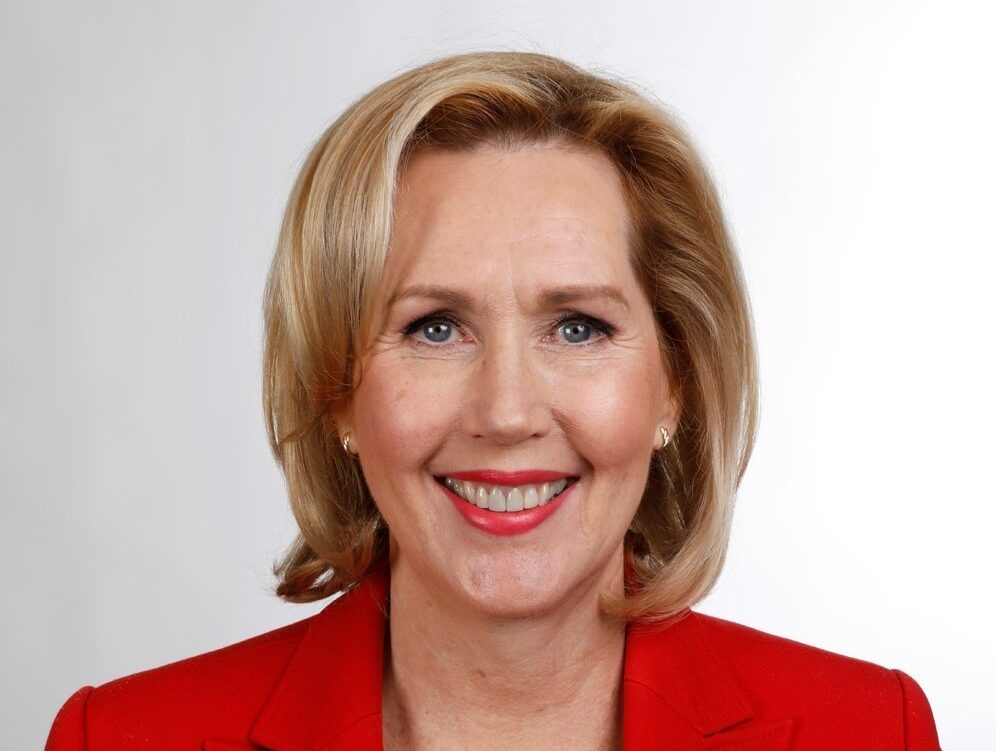
Tuula Haatainen
Chair of the Education and Culture Committee
Tuula Haatainen is a Member of Parliament and City Councillor from Helsinki (Social Democratic Party). In Parliament, she currently serves as Chair of the Education and Culture Committee. She has previously served as Minister of Education, Minister of Social Affairs and Health, and Minister of Employment in Prime Minister Marin’s Government. As Deputy Mayor for Education and Cultural Affairs of the City of Helsinki (2007–2012), she was responsible for preparing the City of Helsinki’s cultural policy programme.
Why do you think it is important to discuss the state of cultural policy right now?
The Government Report on Cultural Policy and the statements attached to it by the Education and Culture Committee have just been approved in Parliament. It is now important to focus on implementing the report. In recent years, the cultural sector has also faced severe cuts, which have weakened the operating conditions of cultural actors.
Which themes do you consider particularly relevant in the current cultural policy discussion?
The livelihood of artists and cultural professionals. Copyright and the impacts of artificial intelligence on actors in the cultural sector. The importance of arts and culture for people’s wellbeing and society’s crisis resilience.
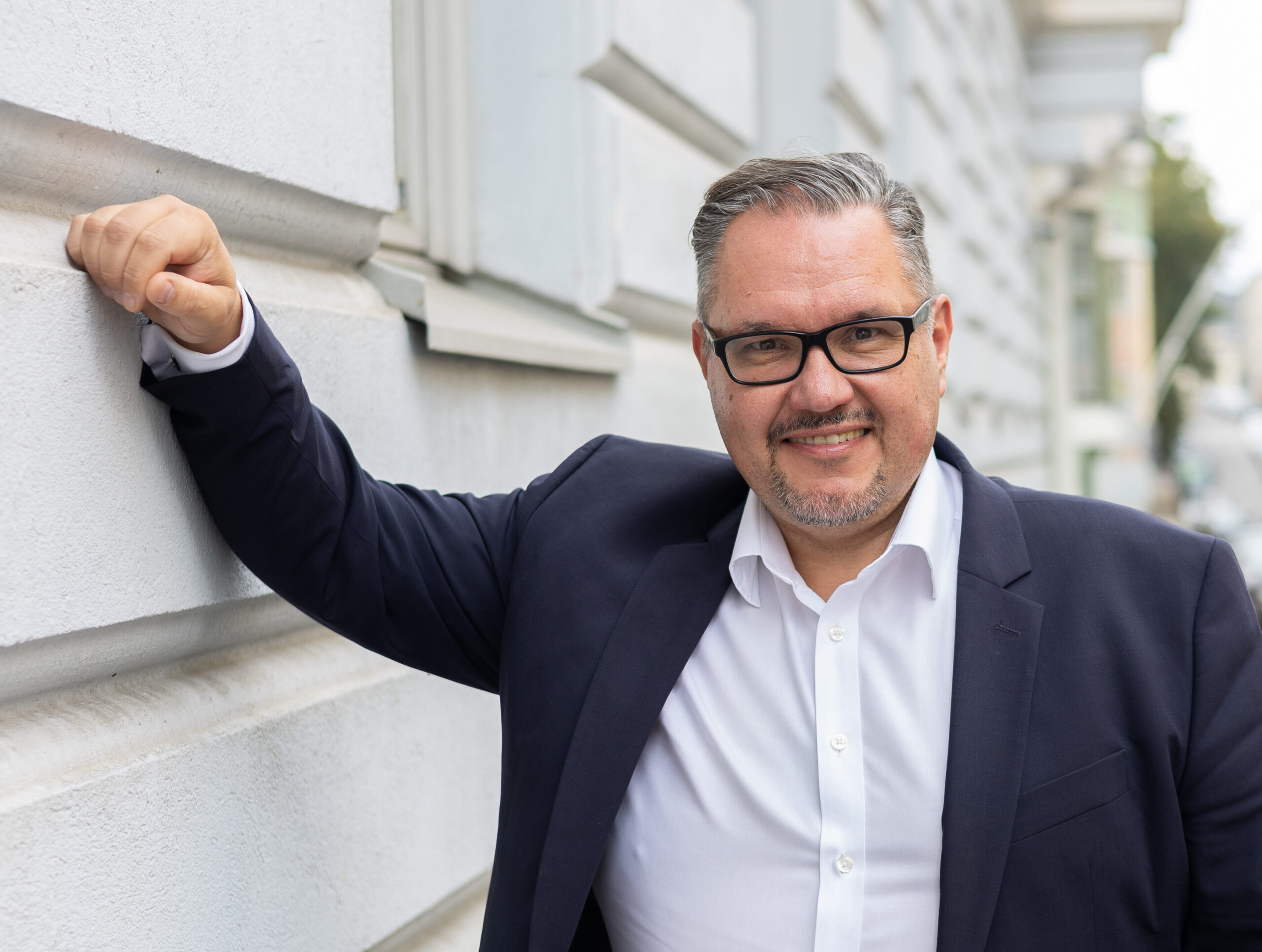
Juha Rintamäki
Director General, Department for Cultural and Art Policy, Ministry of Education and Culture
Juha Rintamäki serves as Director General of the Department for Cultural and Art Policy at the Ministry of Education and Culture.
Why do you think it is important to discuss the state of cultural policy right now?
The arts and culture sector has long called for a government report on the field, and during Prime Minister Petteri Orpo’s term such a report has now been completed. More than 1,000 individuals and organisations from across Finland participated in its preparation. A similar number have taken part in the Cultural Tour organised to support its implementation. We now have a jointly prepared and Parliament-approved national strategy for the cultural sector. This is exactly the right moment to discuss cultural policy and the implementation of the report.
Which themes do you consider particularly relevant in the current cultural policy discussion?
During the Cultural Tour, it became clear that if funding does not increase, we must change our ways of working and structures in order to sustain the sector. We received a strong signal that cross-sectoral and broader collaboration is key. We must also shift our focus to what each of us can do ourselves, instead of waiting for ready-made solutions from the public sector.
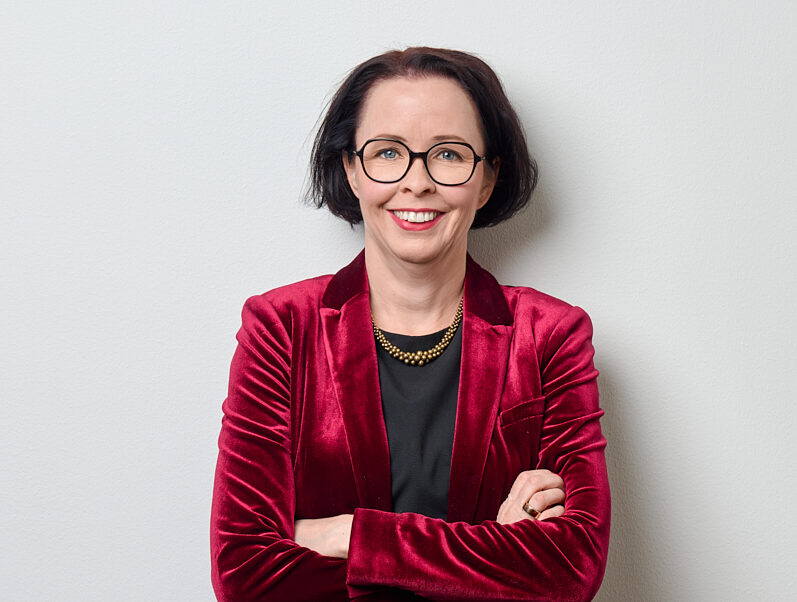
Emilie Gardberg is Director General of the Arts Promotion Centre Finland. She has previously served as Dean of the Sibelius Academy at the University of the Arts Helsinki, Director of the Finnish Institute in London, Managing Director of the Turku Philharmonic Orchestra, and Director of the Turku Music Festival. She has also worked as a researcher at one of the world’s leading think tanks, the Wilson Center in Washington, DC. Gardberg holds a Master of Arts degree from Columbia University in New York, where she studied arts management as a Fulbright scholar. She has been a visiting lecturer at several universities, teaching arts management and leadership. Gardberg is an active public commentator and is particularly passionate about communicating the transformative power of the arts in society.
Why do you think it is important to discuss the state of cultural policy right now?
It is important to discuss cultural policy because culture is directly connected to the kind of society we live in. It is linked, for example, to democracy, wellbeing, and our ability to understand rapid change. Cultural policy decisions shape the society of tomorrow.
Which themes do you consider particularly relevant in the current cultural policy discussion?
Resilience and comprehensive security, questions of identity, sustainability, and funding.
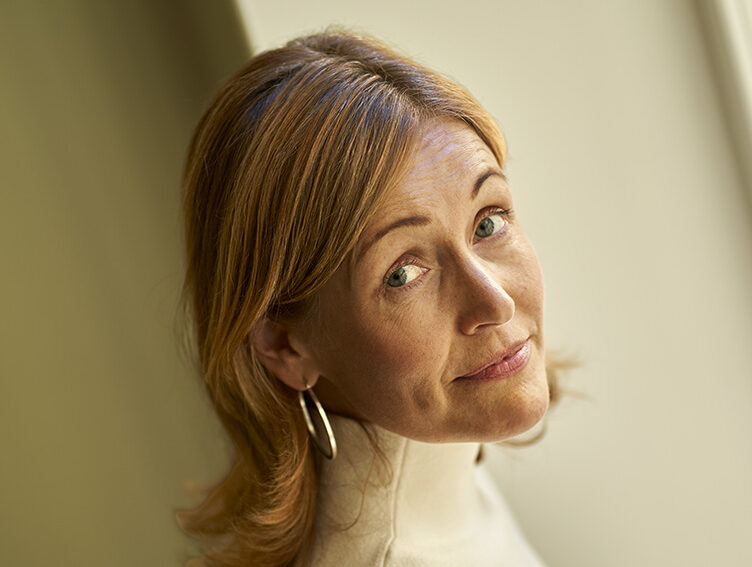
(photo: Jens Honore)
Kristin Danielsen assumed the position of Director of the Nordic Culture Fund in August 2025. Prior to this, from 2016 to 2025, she served as Director of Arts Council Norway and as Chair of IFACCA (the International Federation of Arts Councils and Culture Agencies).
Danielsen originally trained as a dancer in Norway and the United States. She holds a master’s degree in Arts Management with a specialisation in international cultural collaboration from City University in London. She has led a wide range of arts and cultural organisations within dance, theatre, literature, and music, including Black Box teater (NO), nyMusikk (NO), the Norwegian Music Information Centre (now Music Norway), and Deichman Library.
Why do you think it is important to discuss the state of cultural policy right now?
In times of unprecedented change, culture and the arts are not simply aesthetic or soft power. They are the infrastructure of our future Nordics. But to unlock that power, we need a new narrative — one that goes beyond old cultural policy paradigms.
Which themes do you consider particularly relevant in the current cultural policy discussion?
A deeper debate on culture’s purpose, and a renewed understanding of culture’s non-instrumental value in society. A cultural policy that looks to the future.
Panel discussion: Practioner perspectives on the current state of Finnish cultural policy
Speakers
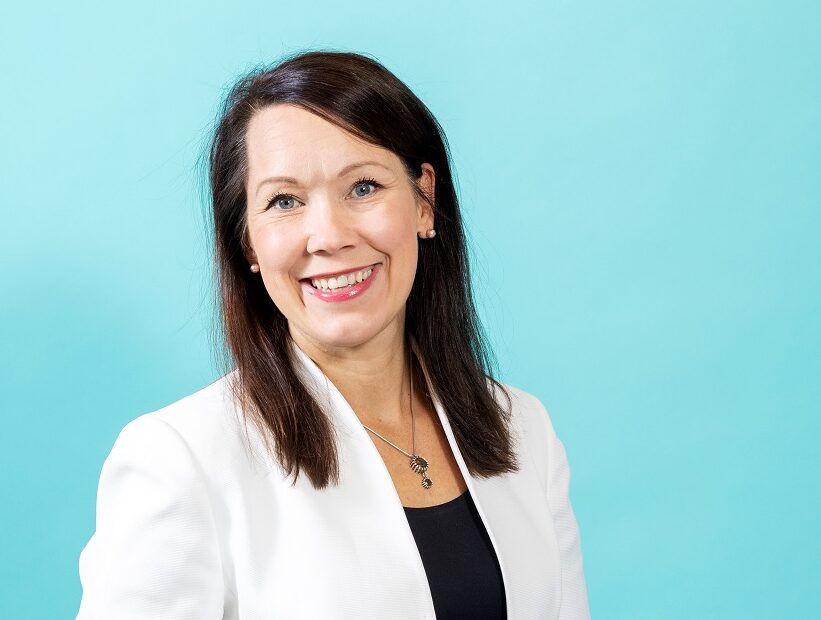
Vappu Aura is Chair of Luovat ry and Director of Public Affairs at Teosto. She works actively to strengthen the operating conditions and impact of the creative industries in Finland. She has extensive experience in advocacy within the cultural and content sectors, with a particular focus on the position of creators, sustainable structures, and making the economic significance of the sector visible in decision-making. She has also been involved in initiatives promoting equality and responsibility in the music sector and has represented the field in numerous related projects and working groups.
Why do you think it is important to discuss the state of cultural policy right now?
Finland urgently needs a vision of hope and confidence in the future. At the same time, we need growth and entrepreneurial activity. Culture has the potential to provide both. It is essential to ensure that future decision-making is based on a comprehensive understanding of the role of culture in society and on up-to-date, reliable information. We have not yet fully embraced a way of thinking where culture is seen as an investment rather than merely an expense.
Which themes do you consider particularly relevant in the current cultural policy discussion?
Key themes include the predictability of cultural funding and the position of the creative industries as part of economic policy. It is also important to consider what the future cultural field will look like in an era shaped by technology and artificial intelligence — what role will remain for human creativity, and how do we choose to defend it? Naturally, the livelihoods of cultural professionals, their ability to make a living from their work, and access to equal social security are also central issues. Achieving the vision outlined in the cultural policy report requires significantly stronger collaboration and interaction within the field, as well as a move away from siloed thinking within administrative structures and ministries.
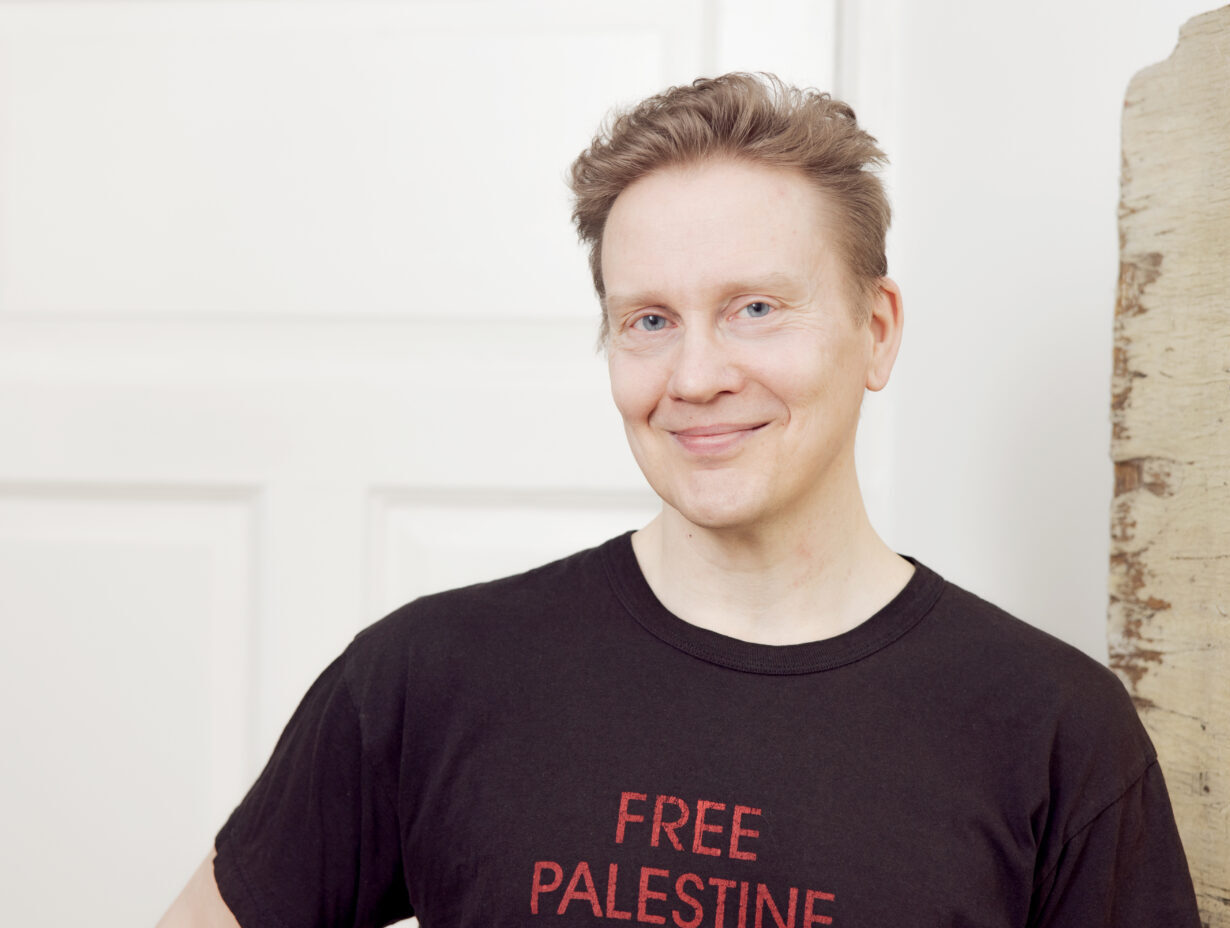
Teemu Mäki is a visual artist, writer, director, and researcher. He holds a Doctor of Fine Arts degree and is Adjunct Professor of Artistic Research at the University of the Arts Helsinki Research Institute. Mäki has worked as an independent artist since 1990, except for the years 2008–2013 when he served as Professor of Fine Arts at Aalto University. Alongside his artistic work, he has served as Chair of the Artists’ Association of Finland since 2018. Mäki has written extensively on the role and significance of art for individuals and society, including in his book *The Function of Art — Essays*.
Why do you think it is important to discuss the state of cultural policy right now?
It is important to discuss cultural policy because our society has changed in ways that mean art and culture can no longer justify their special status and public funding using the traditional rhetoric of intrinsic value alone. If the significance and purpose of art and culture cannot be articulated in new and more compelling ways, they risk being left to the mercy of markets and philanthropy. On the other hand, if art succeeds in communicating its relevance clearly and convincingly, its position in society could become even stronger.
Which themes do you consider particularly relevant in the current cultural policy discussion?
I consider it especially timely to discuss art as a fundamental right of citizens and as an investment in wellbeing. It is also important to address the role of free art as a form of critical thinking and dialogue that underpins a democratic and open society. In addition, we should consider the future of art forms where artists lack stable employment structures, particularly literature and the visual arts.
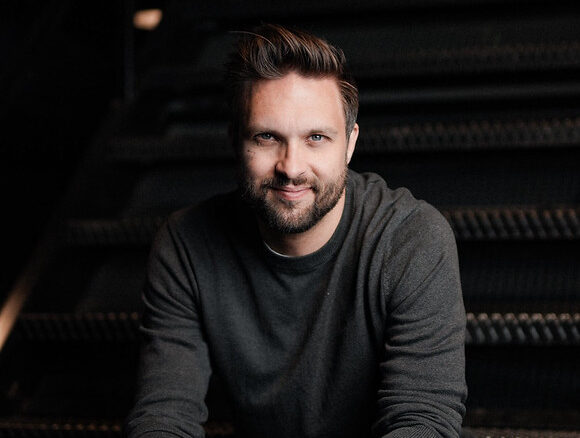
(photo: Darina Rodionova)
Jussi Sorjanen began as Artistic Director of & Espoo Theatre in 2024, having previously served as Artistic Director of Teater Viirus and Theatre Vanha Juko, as well as a director at Kajaani City Theatre. His productions have been widely staged across Finland, and the theatres he has led have received several awards, including the State Prize for Performing Arts, Theatre of the Year, and the Finland Prize. He also has experience as a dramaturg and has been active in various positions of trust within the cultural sector.
Why do you think it is important to discuss the state of cultural policy right now?
Cultural policy must be brought to the centre of public debate. Culture and the arts do not merely change the world — they create it. Global politics is in turmoil, and it would be naive to think that art and culture have no role in this, even if public discussion in Finland might sometimes suggest otherwise. It is high time we begin to grasp the bigger picture and ask both decision-makers and cultural institutions fundamental questions.
Which themes do you consider particularly relevant in the current cultural policy discussion?
Why is it important to invest in professional art? Why do we need institutions? What does the international dimension of professional art mean? And is the current theatre system viable or meaningful in the future?
Thematic dialogues
Moderators
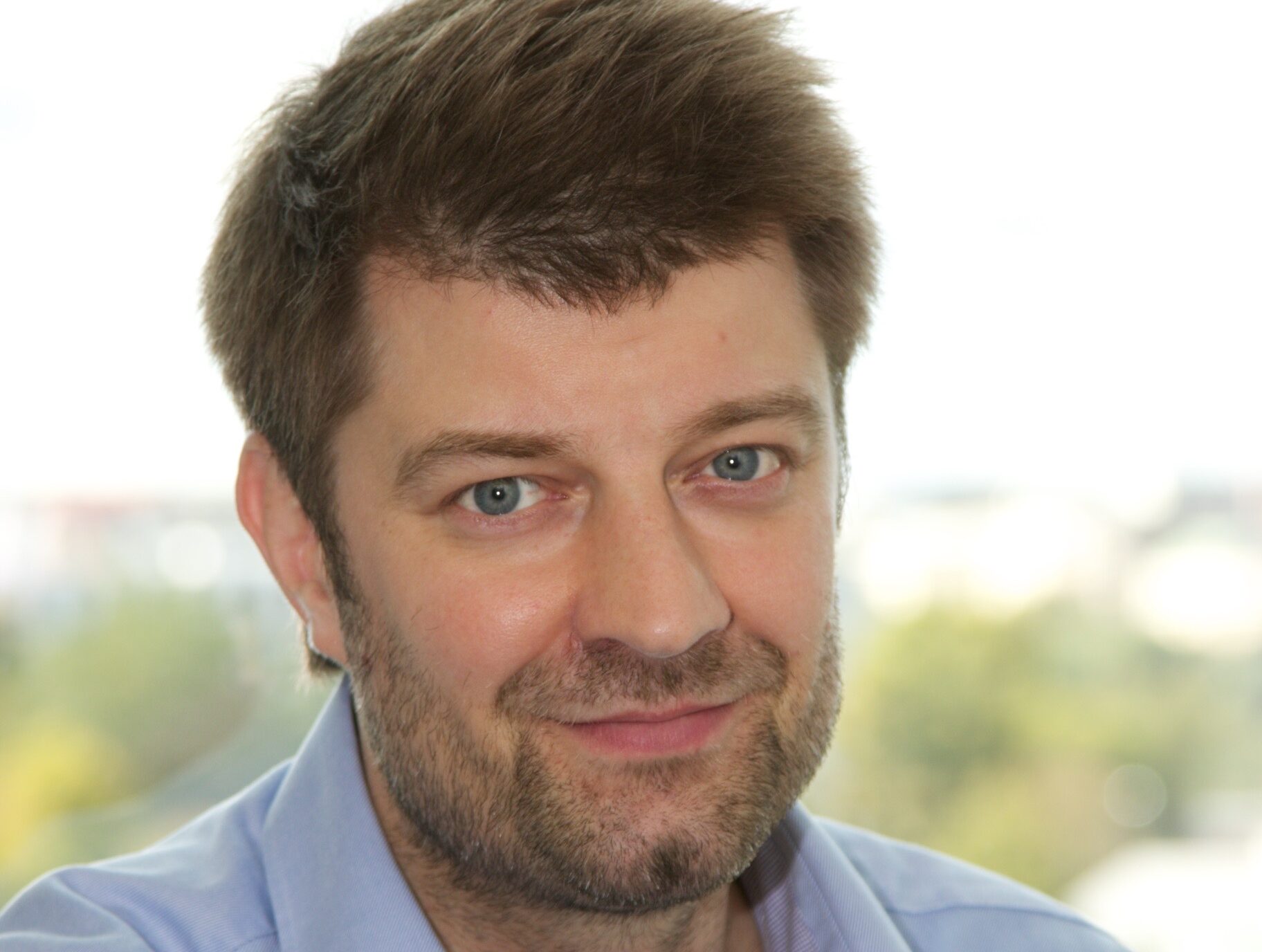
Sakarias Sokka is a Senior Researcher and Deputy Director at Cupore, and Adjunct Professor of Cultural Policy at the University of Jyväskylä.
Sakarias Sokka moderates the dialogues on The Economy and Value of Culture and Cultural Sustainability and Digital Cultural Policy.
Why do you think it is important to discuss the state of cultural policy right now?
The importance of culture becomes particularly visible in times of crisis, which also brings cultural policy into sharper focus. In addition, the Government Report on Cultural Policy and its implementation — including the growth strategy for the creative industries — are highly topical and justify the need for discussion on the state of cultural policy.
Which themes do you consider particularly relevant in the current cultural policy discussion?
The role of culture in questions of both mental and material sustainability cannot be ignored. Recently, broader groups have become aware of this. While these themes have long been recognised in research, cultural policy structures have not been particularly well equipped to address them. This is why discussion is necessary.
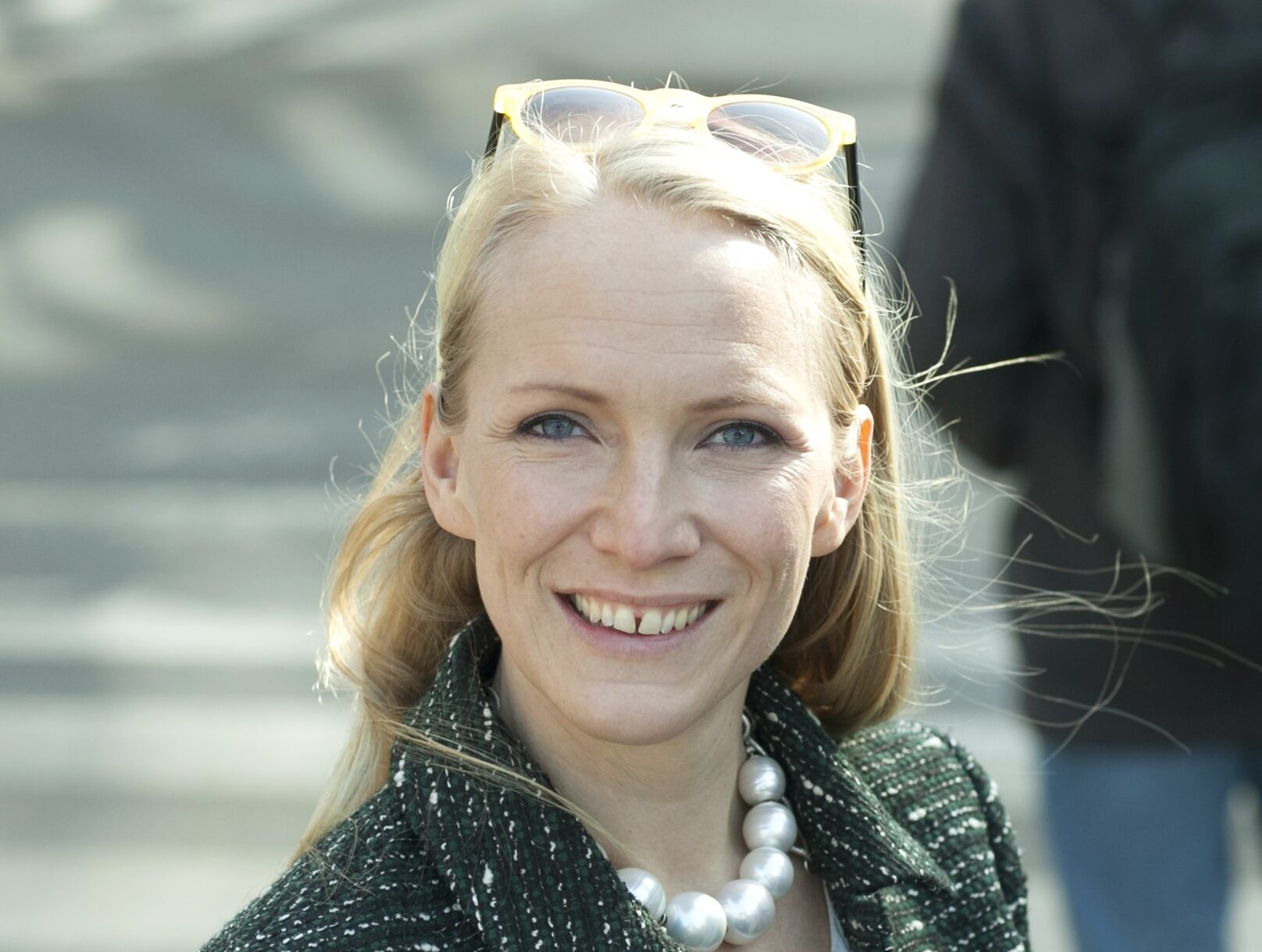
Liisa Suvikumpu
Managing Director of the Association of Finnish Foundations and Chair of The Committee for Public Information
The Association of Finnish Foundations(photo: Annika Rauhala)
Liisa Suvikumpu is the CEO of the Finnish Foundation Association and Adjunct Professor of European History at the University of Helsinki. She also served as Secretary General of the Government Report on Cultural Policy in 2024. Her work focuses on the intersection of funding for culture and science in Finland, where private capital, public responsibility, and creative work meet. She is particularly interested in who gets the opportunity to create, whose voice is heard, and under what conditions.
Liisa Suvikumpu moderates the dialogues on Cultural Policy and Democracy and Digital Cultural Policy.
Why do you think it is important to discuss the state of cultural policy right now?
Cultural policy is not only about culture — it is also about security policy, economic policy, and the core of democracy. In today’s polycrisis context, we are making decisive choices about what we value and what we allow to disappear. If we do not discuss this now, then when?
Which themes do you consider particularly relevant in the current cultural policy discussion?
- 1. Transformation of funding and division of responsibility
Public funding is decreasing and changing, while the role of private funding is growing. We need a shared discussion on where we are heading and who is responsible for what. - 2. Power and decision-making
Cultural policy always involves making choices under conditions of scarcity. Who decides what is meaningful or worthy of support — and meaningful to whom? This is a discussion about power and values, not just money. - 3. The role of culture in society
How can we move beyond the dichotomy of cost versus investment and instead understand culture as infrastructure?
Dialogue: Cultural rights and responsibilities
Speakers
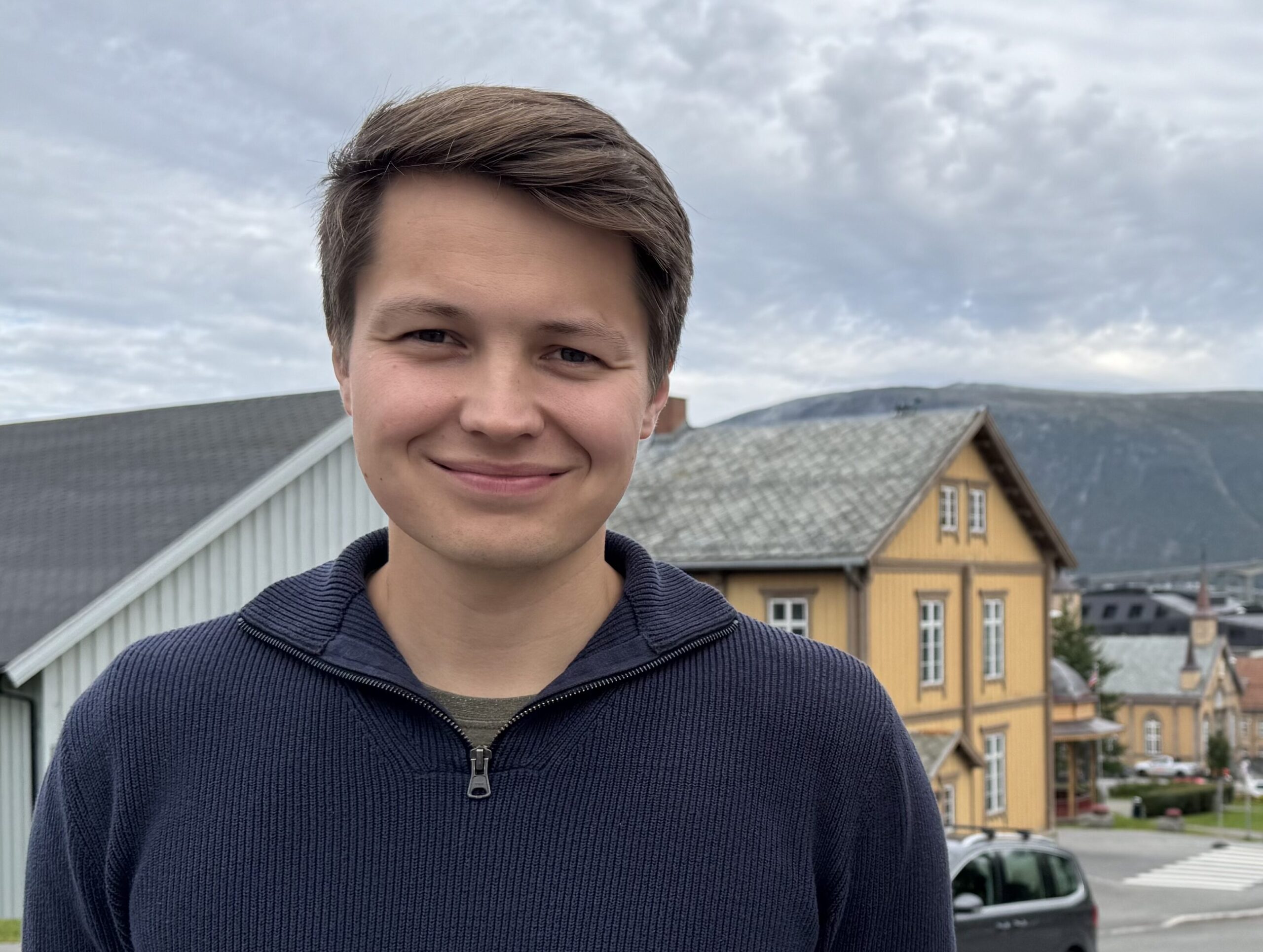
Brynjar Andersen Saus
Project Manager, Tromsø European Youth Capital & Member of the Sámi Parliament
European youth capital TRUE NORTH 2026Brynjar Andersen Saus is a 30-year-old project manager working on Tromsø as the European Youth Capital. He is a civil engineer by training and has a background in politics as both a municipal council representative and a deputy member of the Sámi Parliament.
Why do you think it is important to discuss the state of cultural policy right now?
Cultural policy has always been important in ensuring diversity and freedom of expression in all its forms. In 2026, this work may be more important than ever. With globalization, artificial intelligence, and strong market forces, robust cultural policy is essential to ensure that cultural expression remains diverse and relevant. This is particularly important for minority, marginalized, and Indigenous groups.
Which themes do you consider particularly relevant in the current cultural policy discussion?
- Culture as a means of free expression, representation, and identity-building
- The value of culture that is not financially self-sustaining
- Culture created by, and telling the stories of, minority, marginalized, and Indigenous groups
Dialogue: The economy and value of culture
Speakers
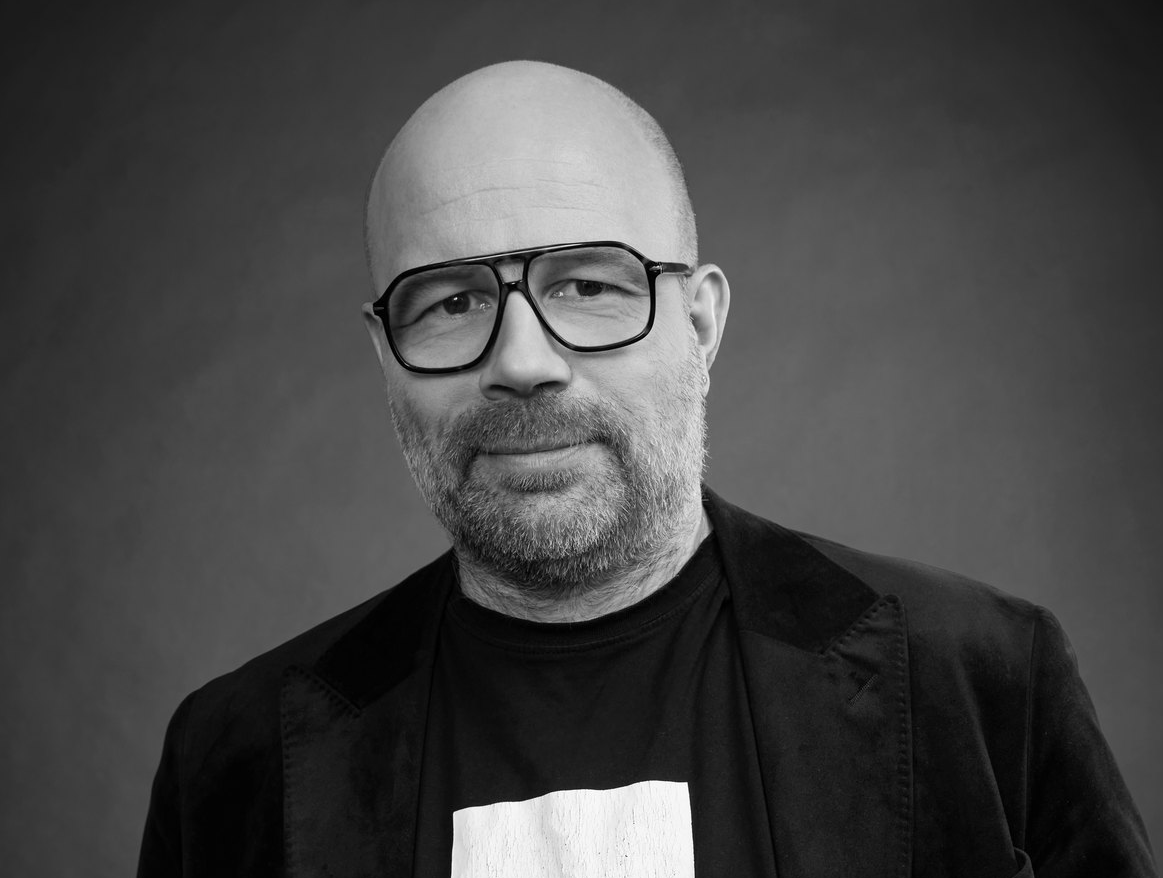
Heikki Pursiainen
Research Director, City of Helsinki
(photo: Mikko Mäntyniemi)
Heikki Pursiainen is an economist who has had a varied career as a researcher, think tank expert, media entrepreneur and journalist, and currently as a public official. He approaches the world through an economic lens and therefore sometimes sees things differently.
Why do you think it is important to discuss the state of cultural policy right now?
It is important to discuss cultural policy now for the same unfortunate reason as discussions about other key policy areas: the state of public finances is so weak that cuts must be made everywhere — including in cultural spending.
Which themes do you consider particularly relevant in the current cultural policy discussion?
Given the difficult economic situation, we need to revisit fundamental questions. What are the core responsibilities of the public sector in cultural policy? What is the role of private funding and markets? How should cultural funding be understood in a context where cuts are also being made in areas such as healthcare?
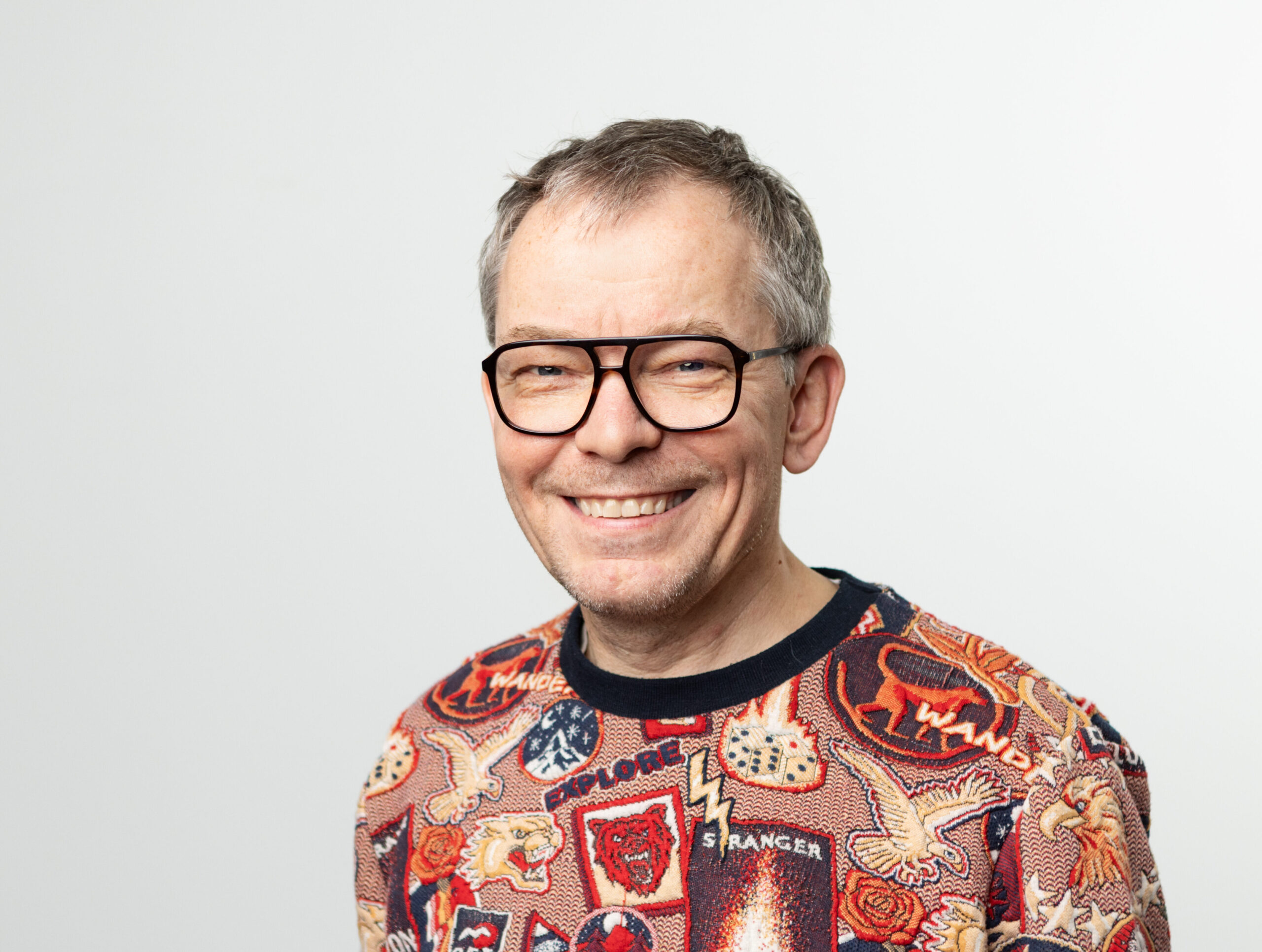
Tero Nauha
Professor, Live Art and Performance Studies, Theatre Academy, University of the Arts Helsinki
Uniarts(photo: Eeva Anundi)
Tero Nauha is an artist and Professor in the MA programme in Live Art and Performance Studies at the University of the Arts Helsinki. He completed his Doctor of Arts degree in 2016, focusing on schizoanalysis, new forms of the economy, and their performativity. His research explores political economy, material culture, and performance, while his artistic practice investigates the intersections between knowledge production and material cultures.
Why do you think it is important to discuss the state of cultural policy right now?
The position of art in society is changing in ways comparable to the early 1990s or the post–World War II period. It is shaped by similarly profound societal transformations and shifts in democracy, where the nature of the shared public sphere has fundamentally changed.
Which themes do you consider particularly relevant in the current cultural policy discussion?
The funding of art and the role of the artist as a societal actor are evolving at the same time as economic inequality and the concentration of wealth are increasing. This is reflected in the funding of the arts in ways similar to how universities are increasingly shaped by market-driven logic. As a result, the role of the artist is more often understood in terms of entrepreneurship or investment potential. This stands in stark contrast to the growing inequality and concentration of wealth, which is visible both in education and in the arts field, as well as in how the societal role of art is perceived.
Dialogue: Cultural policy and democracy
Speakers
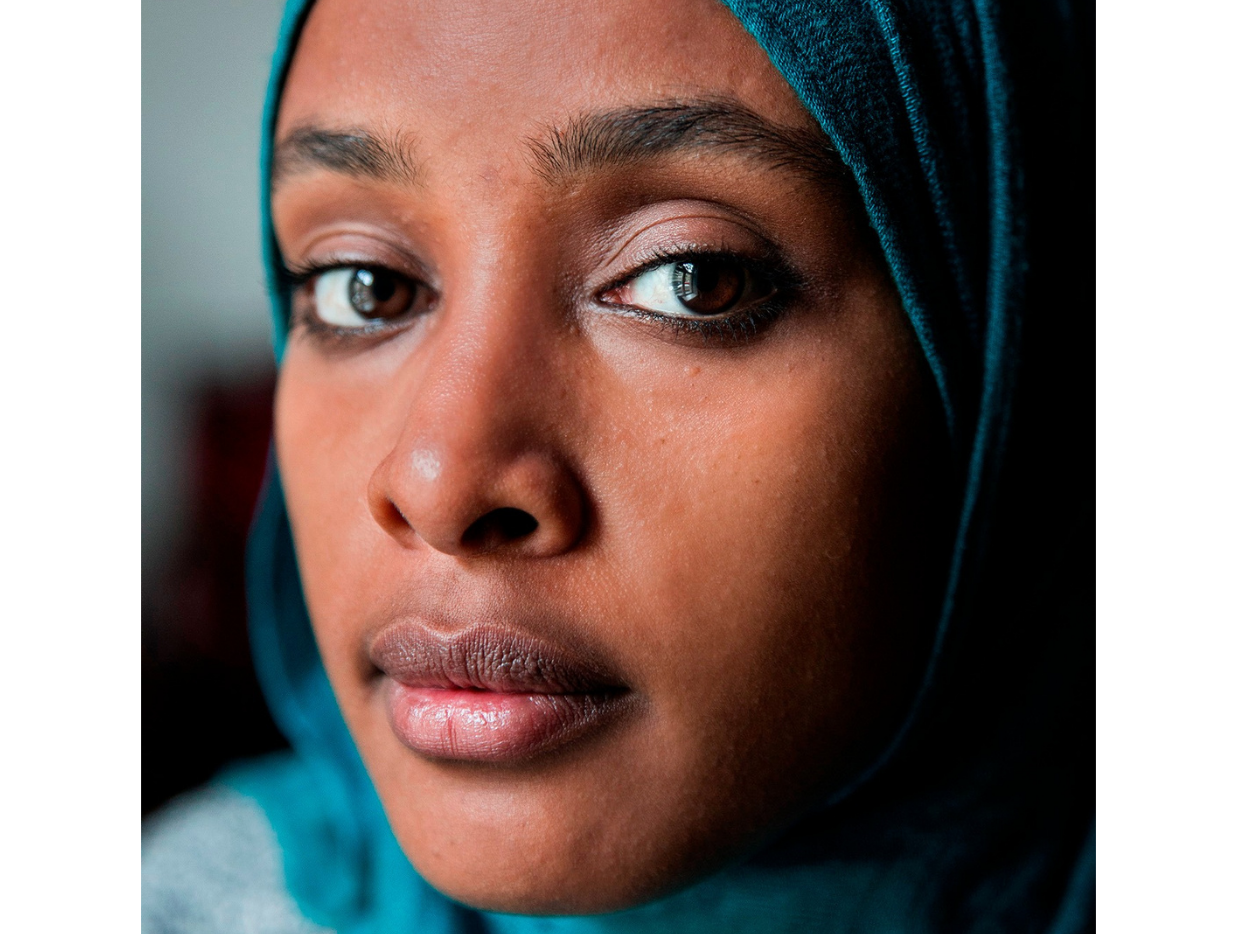
Maryan Abdulkarim
author and columnist
Maryan Abdulkarim works on various side projects and is an unapologetic fangirl. Through her work in the cultural sector, she has had the opportunity to collaborate with professionals in the field and gain insight into what happens “behind the scenes.”
Why do you think it is important to discuss the state of cultural policy right now?
I feel that culture needs defenders right now. At the same time, as a society, we need to be reminded of the importance of culture in our everyday lives and of its role in maintaining resilience.
Which themes do you consider particularly relevant in the current cultural policy discussion?
The wellbeing and resilience of people working in the cultural sector.
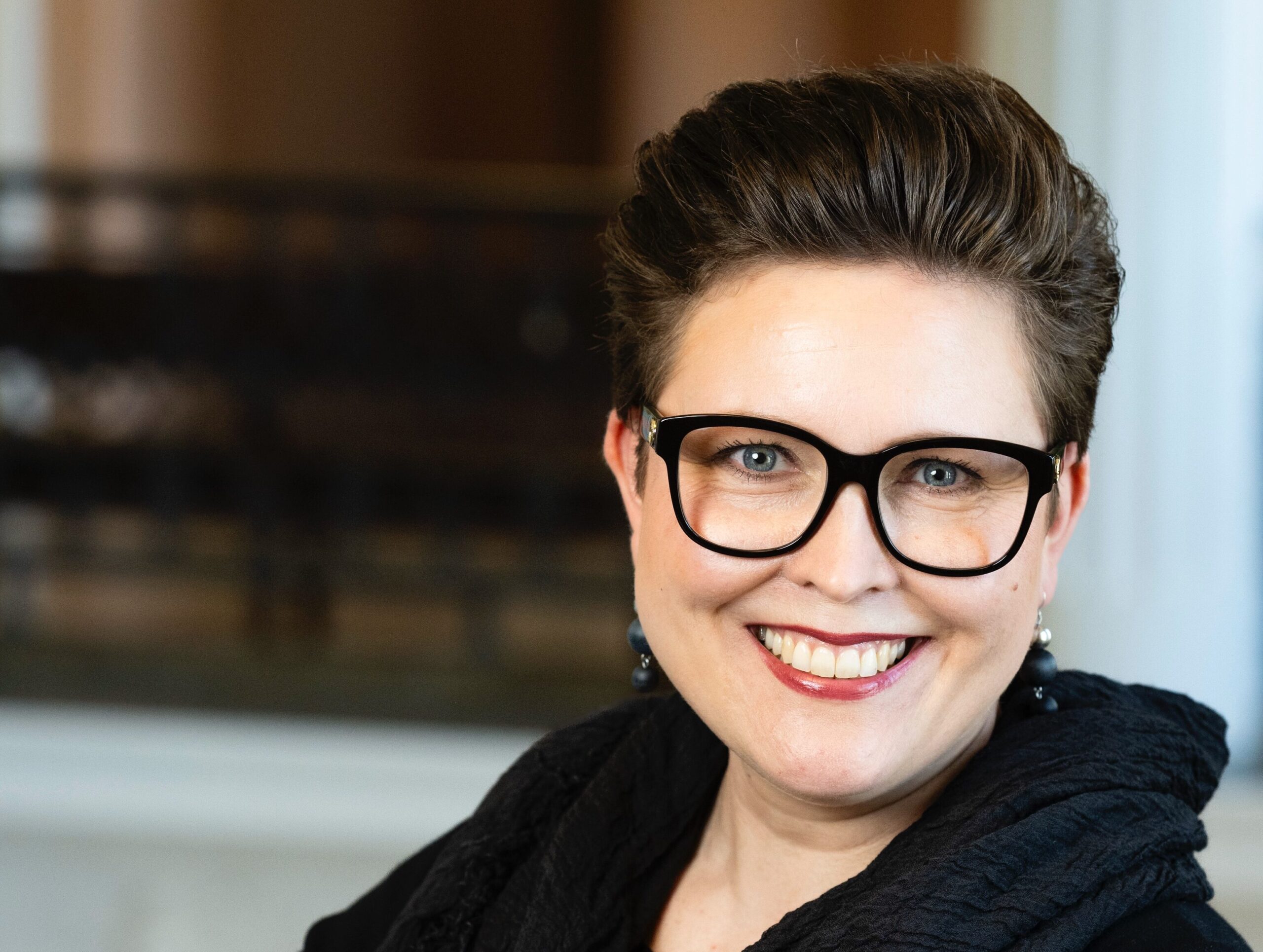
Jenni Karimäki
University Researcher and Docent of Political History, University of Eastern Finland
University of Eastern FinlandJenni Karimäki, Adjunct Professor and University Researcher, is currently working on the RESLIDE project, which examines the resilience of Finnish liberal democracy and is funded by the Strategic Research Council.
Why do you think it is important to discuss the state of cultural policy right now?
The current discussion around cuts and structures is not merely an internal struggle within the cultural sector, but part of a broader question about how Finnish democracy is understood and who it belongs to. Culture strengthens democracy above all by creating space for freedom of expression, plurality of voices, and critical debate.
Which themes do you consider particularly relevant in the current cultural policy discussion?
From the perspective of democracy, it is important to consider the boundary between political control over funding and the autonomy of the cultural field. Questions of political steering are therefore closely linked to discussions about who has the opportunity to be heard through culture in the democratic public sphere.
Dialogue: Culture and participation
Speakers
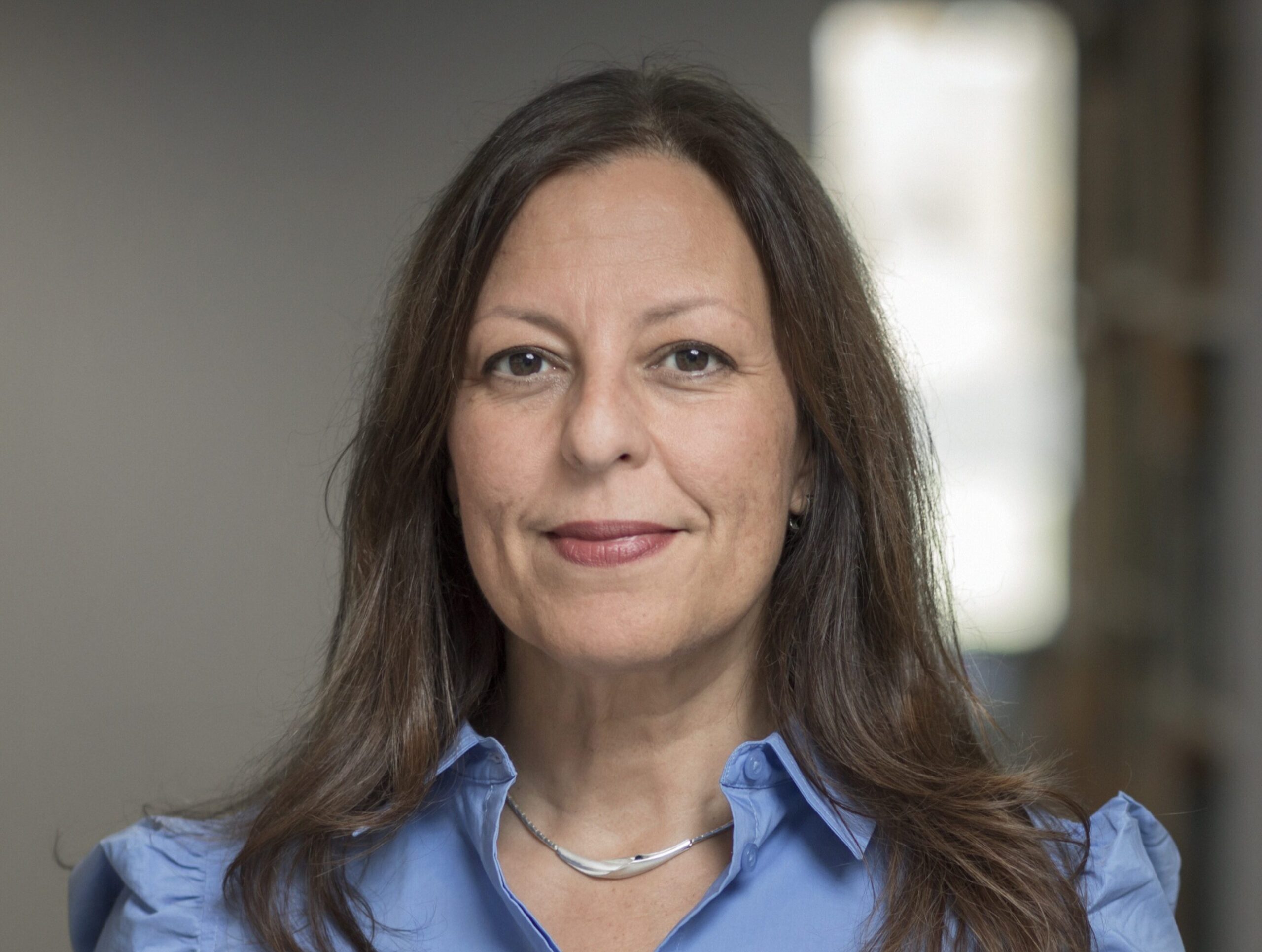
Rani Kasapi
Head of Content and Learning, National Museums of World Culture
National Museums of World CultureRani Kasapi currently leads exhibition operations at the National Museums of World Culture and has a background in both the independent and public cultural sectors. She has previously served as Head of Department at the Ministry of Culture and as Director of Culture in Botkyrka Municipality. She also has extensive experience in cultural production in both independent and institutional contexts, where she has, among other roles, developed the international and intercultural activities of the Swedish National Touring Theatre.
Why do you think it is important to discuss the state of cultural policy right now?
In a polarized world, where authoritarian tendencies are growing, safeguarding artistic freedom and cultural rights is essential. Cultural policy is not neutral — it shapes whose voices are heard and how democratic values are upheld. At the same time, we are facing economic pressures and rapid societal change, which makes it necessary to reflect on how cultural policy can remain robust, relevant, and grounded in democratic principles.
Which themes do you consider particularly relevant in the current cultural policy discussion?
I would highlight three. First, artistic freedom and the independence of cultural institutions in increasingly politicized environments. Second, equal access to culture — ensuring participation across regions and social groups. Third, sustainability: both economic, in terms of long-term funding structures, and structural, in how we support artists and cultural ecosystems in a digital and globalized landscape.
(photo: Laura Oja)
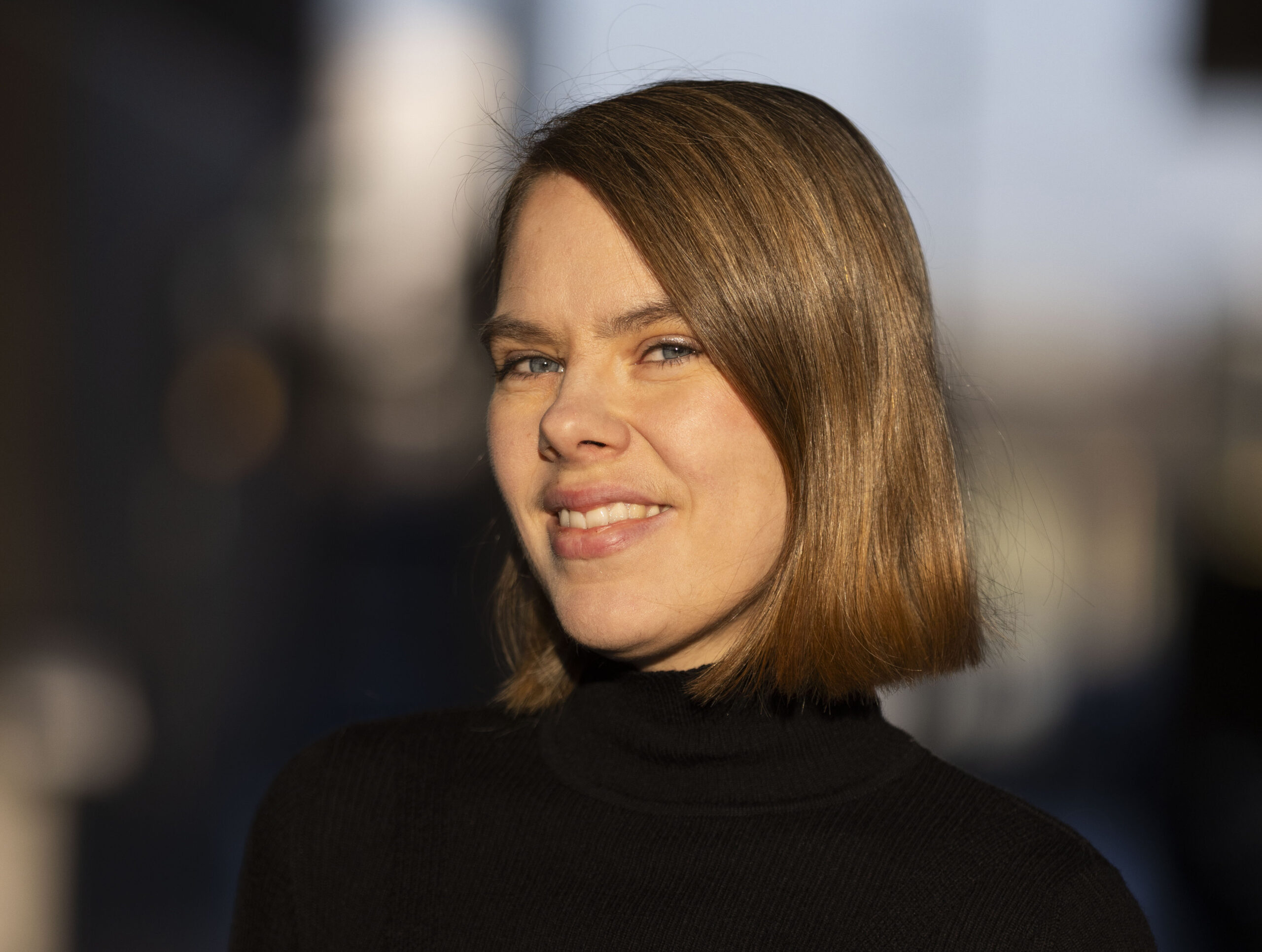
Riie Heikkilä (PhD, Adjunct Professor) has researched cultural hierarchies, the relationship between culture and inequality, cultural participation and non-participation, and in recent years particularly phenomena related to reading. She works as a researcher at Tampere University.
Why do you think it is important to discuss the state of cultural policy right now?
It is always important to discuss the state of cultural policy, but right now it is particularly timely, as publicly funded culture is under threat from multiple directions: funding cuts, increasing politicisation of public attitudes toward culture, and the impact of artificial intelligence on creative work.
Which themes do you consider particularly relevant in the current cultural policy discussion?
As societies become more polarised, I consider participation and inclusion to be the most important themes.
Dialogue: Cultural sustainability
Speakers
(photo: Laura Oja)
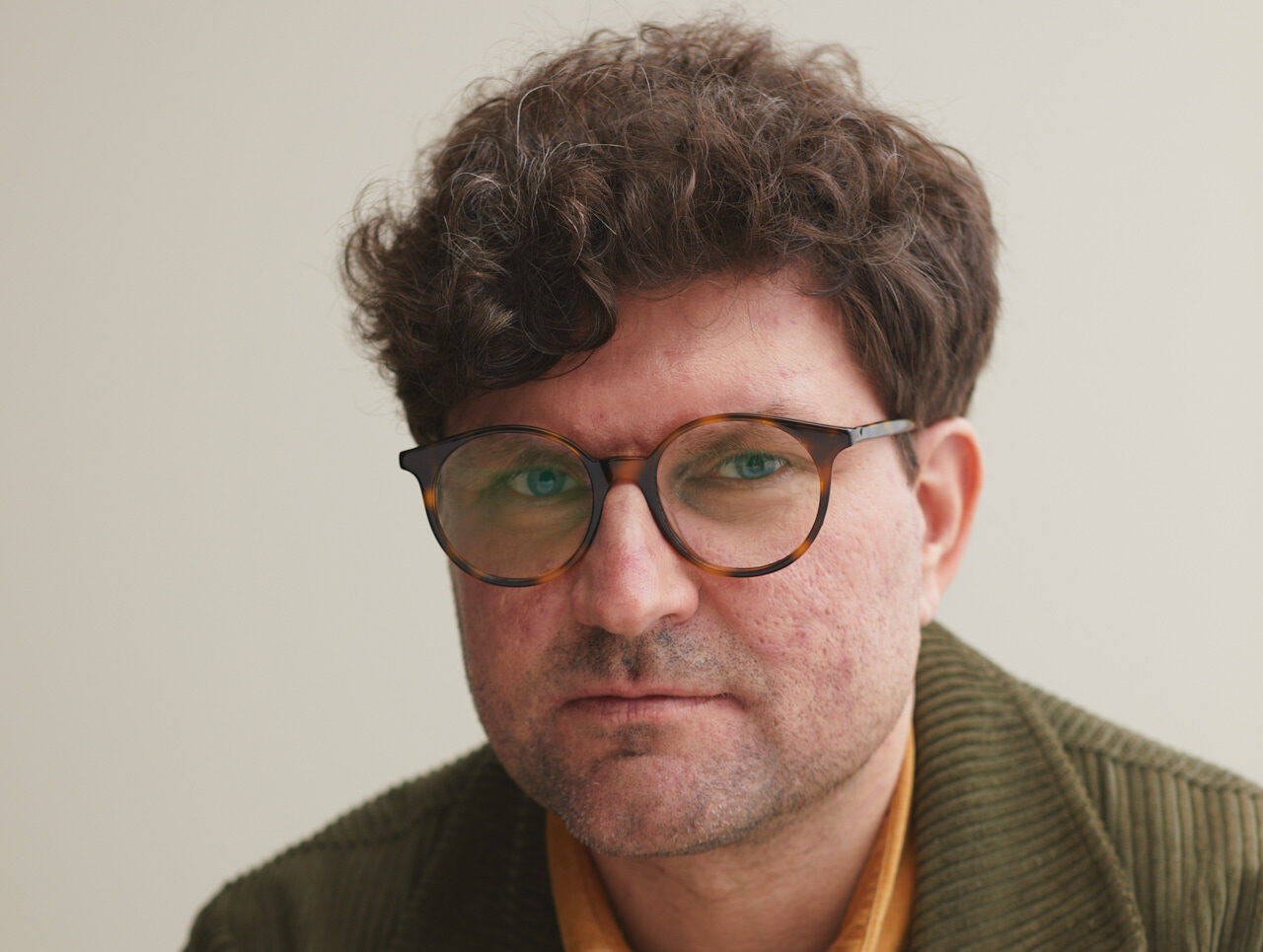
Antti Majava is a founding member of the BIOS Research Unit and works as an expert in the CO2Creation project funded by the Strategic Research Council of the Academy of Finland. He is also a doctoral researcher at the University of Helsinki. His work focuses in particular on the socio-cultural impacts of the energy transition and on resilience factors related to new energy technologies.
Why do you think it is important to discuss the state of cultural policy right now?
When considering geopolitical risks, it is important to recognise that our identities and sense of sovereignty — which we are prepared to defend — are fundamentally expressions of culture. Safeguarding the processes that sustain and renew culture is therefore as essential as safeguarding, for example, national defence. At the same time, it is important to acknowledge that the massive overconsumption of the planet’s resources, delays in reducing climate emissions, and continued reliance on fossil energy are often driven not by immediate needs, but by the maintenance of certain cultural ideals and conceptions of humanity. Critical cultural debate is necessary to prevent the most harmful ideas from shaping societies.
Which themes do you consider particularly relevant in the current cultural policy discussion?
Discussions around climate change, biodiversity loss, and other environmental issues are increasingly taking on the characteristics of a “culture war” in Finland as well. Social media significantly amplifies polarisation and the decline in the quality of public discourse, and this deliberate erosion of collective understanding may be one of the most serious threats to the sovereignty of Finland and Europe. We need effective ways to strengthen constructive and intellectually rigorous cultural discussion and expression in response to the overwhelming influence of digital media.

Minttu Jaakkola is the Executive Director and a founding member of Puistokatu 4. Throughout her career in universities and the foundation sector, she has built bridges between disciplines and sectors and strengthened the societal impact of research for a more sustainable future. As an ecologist and Doctor of Evolutionary Biology, she views the world through relationships and interdependencies — both between people and between humans and the rest of nature. From this perspective, community is inherent to humans, and culture acts as a binding force that creates a sense of belonging and enables the transformative change required by the ecological crisis. Cultural sustainability is therefore not just a value, but a prerequisite for human survival on this planet.
Why do you think it is important to discuss the state of cultural policy right now?
We are living in a time of multiple crises, where people need a sense of belonging, participation, and meaning, as well as a shared vision of the future. Culture has a unique ability to connect people through shared values, worldviews, and visions of the future. This is why cultural policy matters when striving for transformative societal change. The existential ecological crisis facing humanity will not be solved by technology alone, but by cultural transformation. This requires reflection and a reorientation of cultural policy toward forms of humanity and wellbeing that respect planetary boundaries.
Which themes do you consider particularly relevant in the current cultural policy discussion?
A key question is whether current cultural policy supports people’s sense of belonging and the transformative change required by the ecological crisis, or whether it simply reproduces existing structures. I see the role of cultural institutions as especially timely: how can their traditionally preservative role become an active force for transformation? Cultural institutions have the potential to bring people together and to strengthen participation and agency — both essential for change.
Dialogue: Digital cultural policy
Speakers
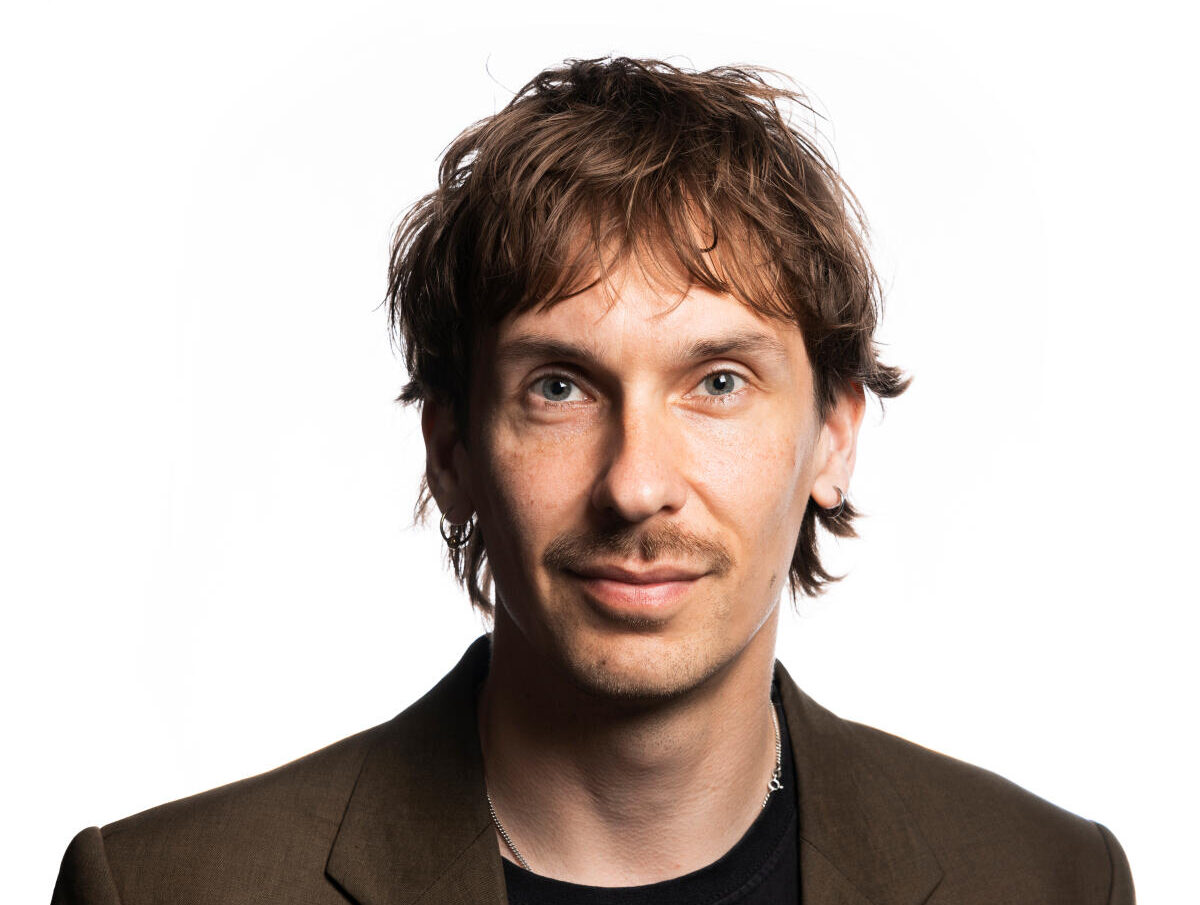
Niclas Storås is a technology-focused journalist at HS Visio. He has been following and writing about technology professionally for over 15 years. Currently, his work focuses especially on the transformation driven by artificial intelligence and its societal impacts. Storås has studied both architecture and journalism.
Why do you think it is important to discuss the state of cultural policy right now?
Societal change is happening faster than ever before in human history.
Which themes do you consider particularly relevant in the current cultural policy discussion?
The education of children and young people for a rapidly changing society. The impact of technology on education. The preservation and development of local cultures in a global, platform-dominated world.
Lottaliina Pokkinen
lawyer in the creative industries, doctoral researcher
(photo: Marica Rosengard)
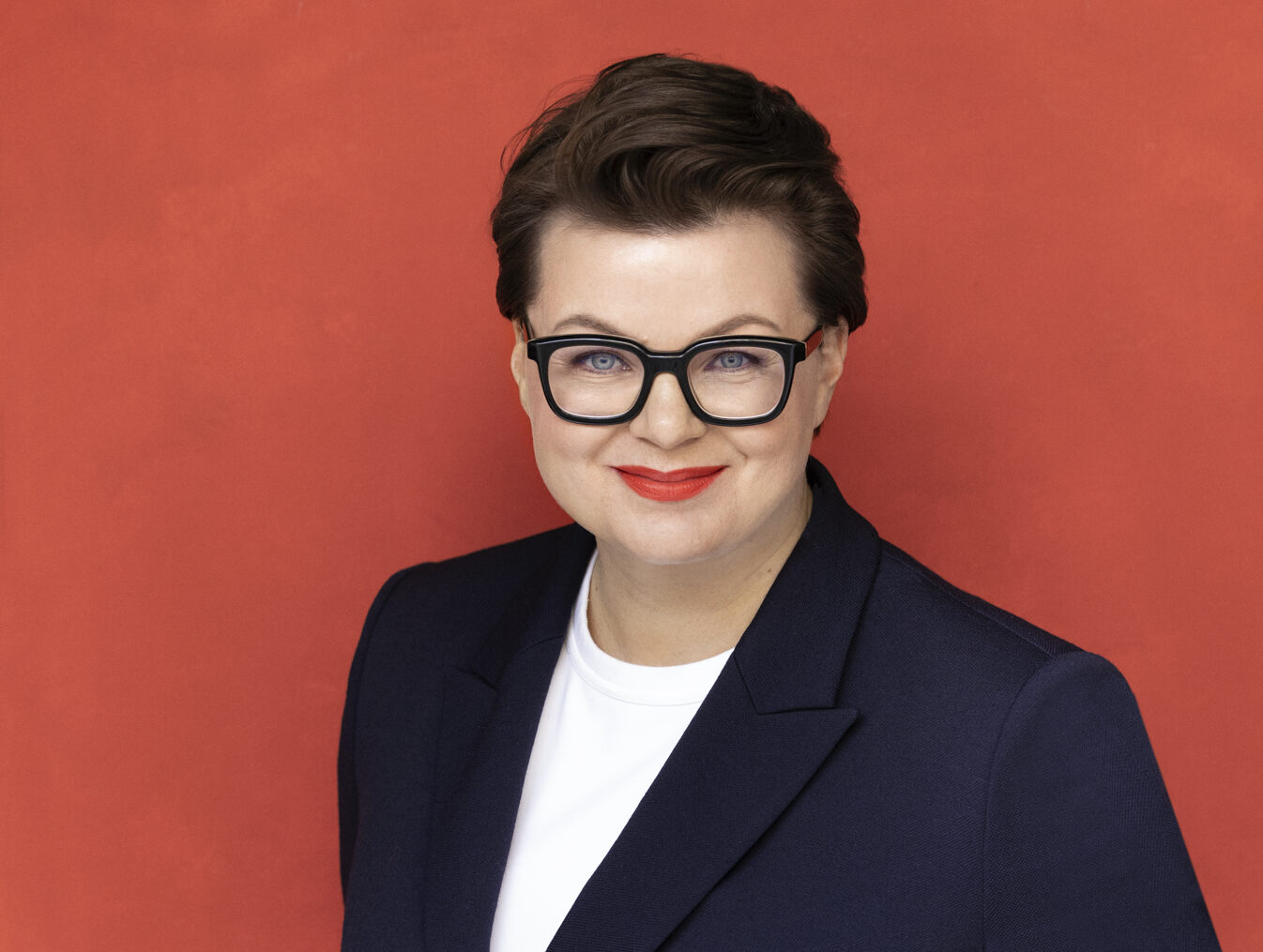
Lottaliina Pokkinen is a lawyer (LL.M.), professional negotiator, and non-fiction author with over twenty years of experience in contracts and negotiations in the creative industries. Before becoming a full-time entrepreneur, she worked as Head of Legal Affairs at the Finnish Musicians’ Union. Pokkinen has written non-fiction books on contracts in the music industry and negotiation skills, and has studied negotiation, among others, at Harvard Law School (Program on Negotiation). She is currently preparing her doctoral dissertation on the teaching of negotiation skills at the Faculty of Law, University of Turku. She is also trained as a violinist.
Why do you think it is important to discuss the state of cultural policy right now?
In an era of artificial intelligence and funding cuts, culture is genuinely at risk. A supportive and appreciative cultural policy is essential for a thriving cultural life.
Which themes do you consider particularly relevant in the current cultural policy discussion?
The wellbeing and resilience of cultural workers, and the power of culture to develop and strengthen human values.
Perspectives on the futures of Finnish cultural policy
Commentators
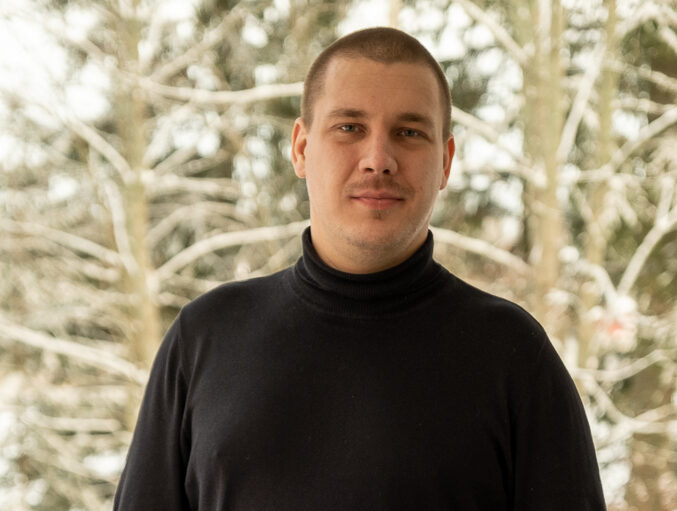
(photo: Karoliina Korvuo)
Mathias Waenerberg is a final-year composition major student at the Sibelius Academy of the University of the Arts Helsinki. In addition to his composition studies, he has also studied theatre arts, aiming to build a multidisciplinary practice. He currently represents all students of the University of the Arts Helsinki as a board member of the Student Union.
Why do you think it is important to discuss the state of cultural policy right now?
We are once again living in uncertain times — economically, in terms of security policy, and domestically. The situation is particularly unstable for those who were already struggling to stay afloat. More broadly, our time is marked by an increasing difficulty in anticipating the future, and as a society we risk forgetting the importance of art and culture as forces that bring us together — as ways of helping us understand tomorrow, yesterday, and the present moment. It is important to discuss the state of cultural policy precisely now, when we are unable to clearly see possible futures.
Which themes do you consider particularly relevant in the current cultural policy discussion?
The most important themes, in my view, are societal trust, freedom, security, and empathy.
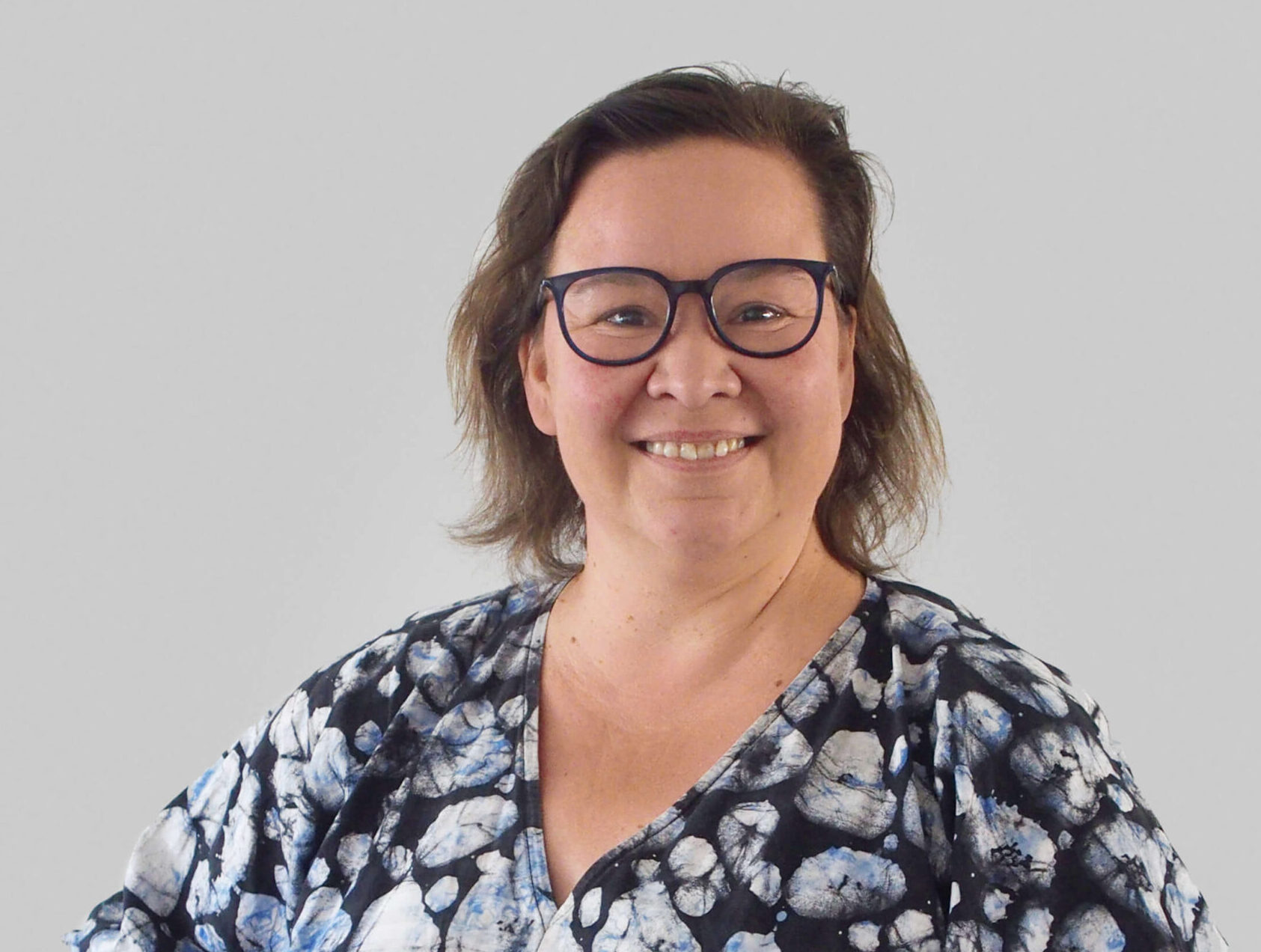
(photo: Toni Kitti)
Rosa Meriläinen is Secretary General of KULTA ry, the central organisation for the arts and culture sector in Finland.
Why do you think it is important to discuss the state of cultural policy right now?
The success of implementing the Government Report on Cultural Policy now depends on all of us.
Which themes do you consider particularly relevant in the current cultural policy discussion?
I consider the most important themes to be the vision and implementation of the Government Report on Cultural Policy, as well as the European Commission’s Cultural Compass.